Breastfeeding is such a special yet often busy time for moms, and I know it brings up a lot of questions, especially about skincare ingredients. One common thing I hear is, “Is Alpha Arbutin safe to use while breastfeeding?” Dr. Emily Pearson, a well-respected dermatologist at SkinCare Institute, points out that, “The safety of any topical product during this period should be looked at closely.” That really reminds us how important it is to stay informed and make smart choices.
Now, Alpha Arbutin is pretty popular for its ability to brighten the skin. It works by slowing down melanin production, which makes it a go-to for anyone dealing with dark spots or uneven skin tone. But, let’s be honest, balancing new motherhood and self-care can sometimes feel overwhelming, and none of us want to risk our little ones’ health.
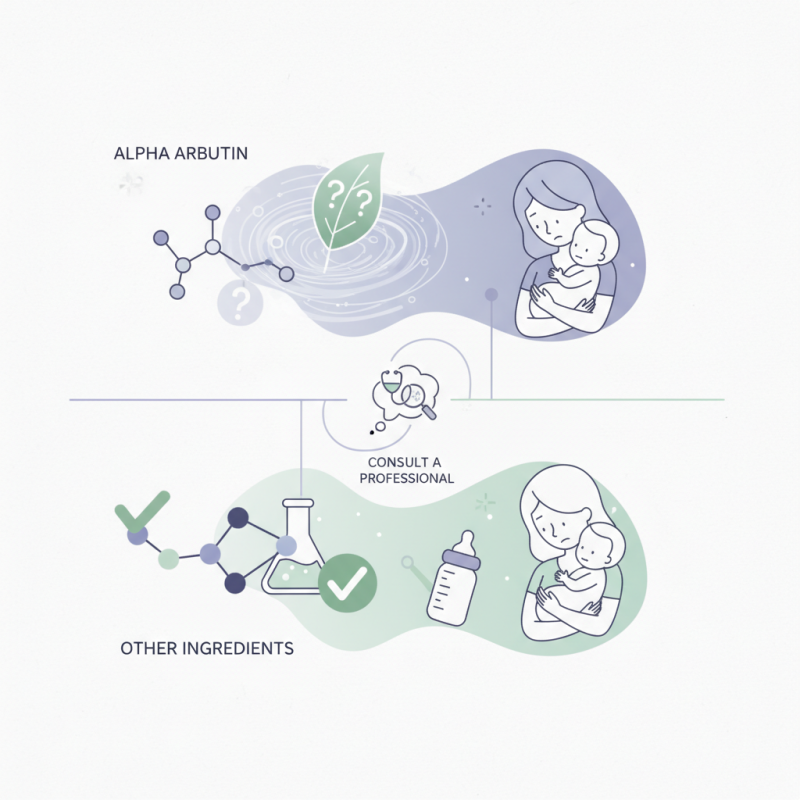
On top of that, it’s good to know that some ingredients, like Cetearyl Alcohol, are generally considered safe for use while breastfeeding. But when it comes to Alpha Arbutin, it’s not a clear-cut answer. Every mom’s skin and circumstances are different, so chatting with your healthcare provider is the best way to find out what’s safe for you. At the end of the day, putting safety and effectiveness first is key during this precious and delicate phase of motherhood.
Understanding Alpha Arbutin: What Is It?
Alpha arbutin is a naturally occurring compound found in various plants. It is widely recognized for its skin-brightening properties. This glycoside has gained popularity in the skincare industry for its ability to inhibit melanin production. According to a 2022 dermatology study, alpha arbutin can effectively reduce hyperpigmentation, making it a sought-after ingredient.
The safety of alpha arbutin in breastfeeding mothers remains a topic of discussion. Limited studies have explored its long-term effects. However, data suggests that alpha arbutin is generally considered safe for topical use. A clinical review indicated low absorption through the skin, minimizing the risk during lactation. Yet, caution is advised, and consulting a healthcare professional before use is crucial.
Research indicates that Pregnancy-safe MAP skincareis essential for maintaining healthy skin during and after pregnancy. Many expectant and nursing mothers are eager to maNAGe skin changes without compromising safety. Hence, careful choices of ingredients like alpha arbutin can make a significant difference. Nevertheless, individual reactions vary, creating a need for personalized skincare solutions.
The Role of Alpha Arbutin in Skincare Products
Alpha arbutin has gained popularity for its role in skincare products. It is known for its brightening effects on the skin. Derived from nature, this compound helps reduce melanin production. As a result, it can lighten hyperpigmentation and even skin tone. Many people appreciate its potential for providing a more radiant complexion.
However, the safety of alpha arbutin, particularly for breastfeeding mothers, warrants careful consideration. While it is generally recognized as safe for topical use, limited research exists on its effects during lactation. Some experts suggest caution, urging mothers to consult healthcare professionals before incorporating new ingredients into their routines. The skin is responsive, and there may be individual differences in reactions.
Skin absorption varies from person to person. Certain ingredients could potentially pass into breast milk. It’s essential for breastfeeding mothers to prioritize safety. Testing products on a small skin area can help gauge reactions. Always observe any changes in your skin or overall health. Remember to balance skincare with nurturing your baby.
Is Alpha Arbutin Safe for Breastfeeding Mothers? - The Role of Alpha Arbutin in Skincare Products
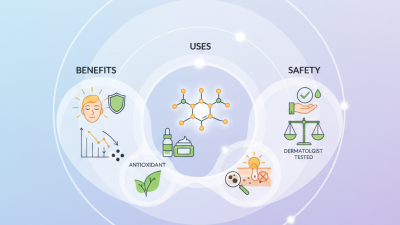
| Aspect | Details |
| What is Alpha Arbutin? | A naturally occurring compound that helps to lighten skin and reduce dark spots. |
| Common Uses | Used in skincare for treating hyperpigmentation, uneven skin tone, and skin brightening. |
| Is it Safe for Breastfeeding? | Generally considered safe, but consultation with a healthcare provider is recommended. |
| Possible Side Effects | Can cause mild irritation or allergic reactions in some individuals. |
| Recommended Use | Patch testing is advised to ensure no adverse reactions when using during breastfeeding. |
| Conclusion | While Alpha Arbutin is largely deemed safe, a cautious approach is best for breastfeeding mothers. |
Safety of Alpha Arbutin for Breastfeeding Mothers
When considering the use of Alpha Arbutin during breastfeeding, safety is paramount. Alpha Arbutin is a skin-brightening agent derived from bearberry, often praised for its effectiveness. However, its safety for lactating mothers remains less understood. A 2020 study published in the Journal of Dermatology indicated limited data on the systemic absorption of Alpha Arbutin when applied topically. Experts generally suggest caution and recommend consulting a healthcare provider before use.
Breastfeeding mothers should prioritize products that are identified as Baby-Safe Cosmetic Extracts. These are formulated to minimize risks to breastfeeding infants. In 2021, the American College of Obstetricians and Gynecologists advised that any topical treatments should be regularly evaluated for safety. The skin barrier is different during lactation, which can impact how substances are absorbed and transferred through breast milk.
Tips: Always perform a patch test when trying new products. Monitor your baby for any skin reactions. Discuss any concerns or potential products with your pediatrician. The priority should remain on safe and effective options for both mother and child.
Safety of Alpha Arbutin for Breastfeeding Mothers
Potential Risks and Side Effects of Alpha Arbutin
Breastfeeding mothers often seek safe skincare options. Alpha Arbutin is a popular cosmetic ingredient, mainly known for its skin-brightening effects. Reports indicate that its safety during breastfeeding remains under-researched. Although it is derived from natural sources, potential risks should not be overlooked.
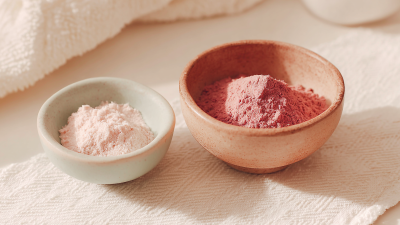
One study highlighted that Alpha Arbutin can penetrate the skin barrier. This raises concerns about its transfer into breast milk. Without conclusive data on its effects during lactation, caution is advised for nursing mothers. The Cosmetic Raw Material Alpha Arbutin Powder may carry unknown side effects that could affect both mother and child.
Skin irritation is another factor to consider. Some individuals experience redness or allergic reactions upon application. Although these reactions are not common, nursing mothers should monitor their skin's response closely. Ideally, consulting a healthcare professional is essential before introducing new products. Safety should always take precedence over cosmetic benefits.
Alternatives to Alpha Arbutin for Nursing Moms
Breastfeeding mothers often seek safe skincare options. While Alpha Arbutin Powder is popular for its brightening effects, its safety during nursing isn't fully established. Many mothers are rightfully cautious about what they apply to their skin, considering potential absorption and impact on their milk.
Fortunately, there are several alternatives that nursing moms can explore. Vitamin C serums are a great option. They can brighten the skin while being safe for breastfeeding. Natural ingredients like jojoba oil or aloe vera also provide hydration. They soothe and nourish the skin without the risks associated with Alpha Arbutin.
Herbal remedies, such as chamomile extracts, may also be beneficial. These can help reduce inflammation and improve skin texture. However, as with any treatments, individual reactions can vary. It's essential for mothers to patch test any new product. Consulting a dermatologist is advisable, too, especially when choosing skincare during breastfeeding.
Best Practices for Using Skincare During Breastfeeding
Breastfeeding mothers often seek skincare that is safe and effective. During this period, skin can change due to hormonal fluctuations. Many ingredients may not be advisable. Alpha arbutin is a common question. While research suggests it is generally safe, caution is key.
Tips: Always consult with a healthcare provider before introducing new products. Skincare should be simple and gentle. Look for labels that indicate fragrance-free, hypoallergenic formulations.
Choosing the right products can be overwhelming. It’s wise to patch-test any new item. Apply a small amount to your wrist first. Wait 24 hours to check for reactions. If irritation occurs, it's best to avoid that product.
Staying hydrated and maintaining a balanced diet are essential. Natural ingredients can often be just as effective. Look for options with soothing properties, such as aloe vera or chamomile. Always prioritize your health and your baby's well-being while experimenting with skincare.
Conclusion
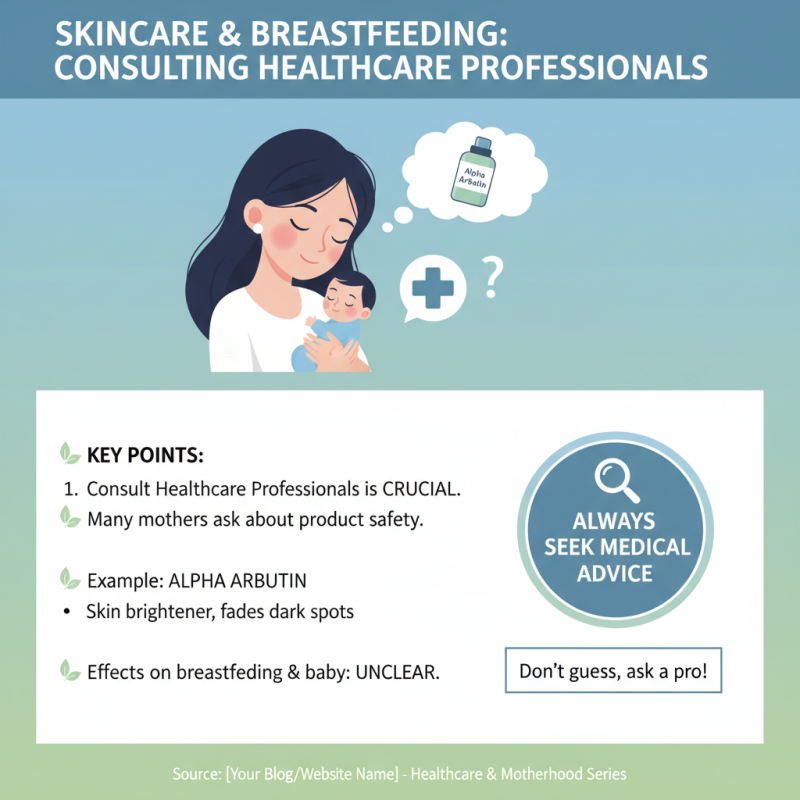
The article titled "Is Alpha Arbutin Safe for Breastfeeding Mothers?" explores the safety and efficacy of alpha arbutin in skincare during breastfeeding. It begins by defining alpha arbutin and its role in various skincare products, known for its skin-brightening properties. The central concern focuses on whether alpha arbutin is safe while breastfeeding, addressing potential risks and side effects that nursing mothers should consider.
Moreover, the article emphasizes the importance of alternatives for nursing moms who wish to avoid potential complications. It highlights the significance of consulting healthcare professionals regarding skincare choices during breastfeeding, ensuring that mothers make informed decisions for their health and that of their infants. Ultimately, the article underscores best practices for utilizing skincare routines safely while nursing, fostering a comprehensive understanding of the implications of using alpha arbutin in this context.